Chin-Up
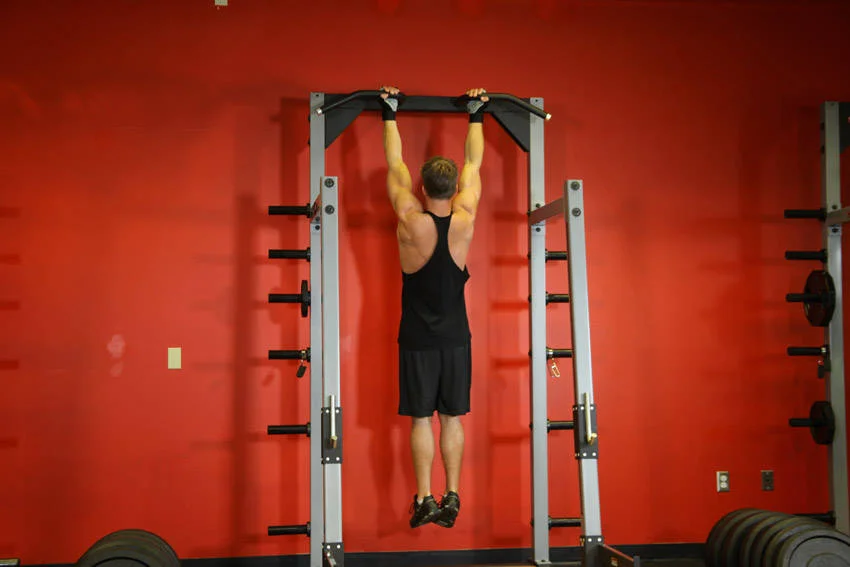
The chin-up is a classic bodyweight exercise that builds incredible back width, arm strength, and overall upper body power. With an underhand grip, chin-ups emphasize the lower lats and biceps more than pull-ups, making them slightly more accessible while still delivering outstanding results. This fundamental movement is a true test of relative strength and a cornerstone exercise for developing a strong, muscular upper body.
Muscles Worked
Primary Muscles
- Latissimus Dorsi
- Biceps Brachii
Secondary Muscles
- Rhomboids
- Middle Trapezius
- Posterior Deltoid
- Core Muscles
How to Perform
-
1
Approach a pull-up bar and grasp it with an underhand (supinated) grip, palms facing toward you. Your hands should be positioned about shoulder-width apart or slightly narrower.
-
2
Hang from the bar with your arms fully extended, shoulders engaged (not completely relaxed), and your body in a straight line. You can cross your ankles or keep your legs straight.
-
3
Engage your core and begin pulling yourself up by driving your elbows down toward your sides. Think about pulling your elbows to your hips rather than just pulling yourself up.
-
4
Continue pulling until your chin clears the bar. Focus on squeezing your shoulder blades together at the top of the movement for maximum back engagement.
-
5
Hold the top position briefly, ensuring your chin is clearly above the bar. Avoid using momentum or excessive body swing to complete the rep.
-
6
Lower yourself back down to the starting position in a controlled manner, fully extending your arms. Maintain tension in your shoulders and core throughout the descent.
Common Mistakes
-
Using Excessive Kipping or Swinging
Generating momentum with your legs and hips to help pull yourself up reduces muscle activation and increases injury risk. Keep your movement controlled and minimize body swing.
-
Incomplete Range of Motion
Not fully extending your arms at the bottom or not pulling your chin over the bar limits strength and muscle development. Use a complete range of motion on every rep.
-
Craning Your Neck
Tilting your head back excessively to get your chin over the bar strains your neck and cheats the movement. Keep your neck neutral and pull your body up, not your head.
-
Dropping Down Too Fast
Letting yourself drop quickly from the top position wastes the eccentric portion of the exercise. Control your descent to maximize muscle growth and build strength throughout the full range.
Pro Tips
-
Start with Negatives if Needed
If you can't complete a full chin-up yet, jump up to the top position and slowly lower yourself down over 3-5 seconds. This eccentric training builds strength quickly.
-
Use a Scapular Pull First
Before pulling your full body weight, depress and retract your shoulder blades slightly. This pre-engages your lats and creates a more powerful pull from the start.
-
Add Weight for Progressive Overload
Once you can perform 10-12 clean chin-ups, add weight using a dip belt or weighted vest. Progressive overload is key to continued strength and muscle gains.
-
Practice Dead Hangs
Building grip strength and shoulder stability with dead hangs directly improves your chin-up performance. Hold for 30-60 seconds at the end of your workouts.
Variations
Challenge yourself with these chin-up variations to build more strength and target muscles differently.
-
Weighted Chin-Up
Add extra resistance with a weight belt or vest to increase difficulty and build maximum strength once bodyweight becomes too easy.
-
L-Sit Chin-Up
Hold your legs straight out in front of you during the movement to dramatically increase core engagement and overall difficulty.
-
Typewriter Chin-Up
Pull yourself up and shift your body side to side at the top, moving from one hand to the other for an advanced strength challenge.
-
Commando Chin-Up
Grip the bar with hands in a parallel position (one in front of the other) and alternate sides each rep for unilateral back development.
Alternative Exercises
If you're working toward chin-ups or want to target similar muscles with different equipment, try these alternatives.
-
Assisted Chin-Up Machine
Provides adjustable assistance to help you build the strength needed for unassisted chin-ups while maintaining proper form and technique.
-
Band-Assisted Chin-Up
Loop a resistance band around the bar and place your foot or knee in it for support, gradually using lighter bands as you gain strength.
-
Close-Grip Lat Pulldown
A machine-based alternative that mimics the chin-up movement pattern and allows for precise weight adjustment as you build strength.
-
Inverted Row with Supinated Grip
A horizontal bodyweight pulling exercise that builds the same muscles with adjustable difficulty based on body angle.

Track Your Chin-Up Progress
Log every set, track PRs, and watch your strength grow with replogr.
Join Beta